
Running – How Intense Should It Be?

Finding the Sweet Spot for Optimal Performance
For many of us, running is simply a way to release a little stress, get healthier, and possibly even fill a little bit of our social life. In these cases, we’re not always concerned about how intensely we should be running. Which makes sense! However, running can often be a way for us to push ourselves toward new fitness highs and new PRs for specific distances. In these instances we want to ensure we are training as effectively as possible. Which begs the question, how intensely should I be running?
The Science of Intensity and Adaptation
There are two categories of physiological adaptations as a result of cardiovascular exercise; primary and secondary. One key aspect of optimizing your performance is understanding the concept of intensity and how it influences your body’s adaptations.
1. Primary Adaptations: Building the Engine
Let’s start with the basics – primary adaptations. These are the bedrock of your running prowess. When you’re running at lower intensities, hovering around 70% of your VO2 max, you’re in the sweet spot for fostering essential changes in your body. These primary adaptations help to “build the engine” so that we can deliver more oxygen to our muscles. They include an increase in total blood volume, heart volume, and improved oxygen delivery rate to the muscles.
These adaptations are most effectively achieved when you lace up and hit the pavement for 45-90+ minutes at a time at that lower intensity (3-4x/week is ideal). But remember, these adaptations aren’t an overnight miracle. Gaining these adaptations takes dedication and patience, as they typically unfold over a period of 3+ months of consistent training.
2. Secondary Adaptations: Fine Tune the Machinery
Now, let’s crank up the intensity a notch and talk about secondary adaptations. These adaptations involve increasing the efficiency of oxygen utilization, improved capillary density in the muscles, and increased mitochondrial density (which we all remember are the “powerhouse of the cell”). When you engage in high-intensity aerobic intervals, threshold runs, and tempo sessions, you’re challenging your body in a whole new way. These workouts are shorter in nature but pack a punch.
In addition to becoming more efficient, these workouts also force you to become more tolerant of muscle burn, allowing you to push yourself harder. These workouts are not only more metabolically draining, but also psychologically challenging. This will give you confidence to push further in your workouts and achieve higher fitness levels.
Finding Your Balance with Running
So, how do you strike a balance between lower and higher intensity runs? It’s all about incorporating both types of training into your regimen. This is best done by planning your training blocks several weeks at a time. If your overall goal is to increase general aerobic fitness or build volume, the continuous training associated with lower intensity runs and primary adaptations is best. If you’re trying to increase your speed and fitness at higher intensities, interval training or other threshold type workouts can help in microcycles of 4-6 weeks at a time. Understand that during these blocks you should still be doing some continuous lower intensity runs.
The Finish Line
As you lace up your running shoes and hit the pavement, remember that the intensity of your workouts plays a pivotal role in your performance journey. Lower intensities build the engine necessary to transport oxygen to your hardworking muscles, while higher intensities refine your ability to convert that oxygen into energy and tolerate the muscle burn.
Don’t be afraid to ask for guidance. If you need help structuring your training, improving your performance, or staying ahead of injuries, our Running Performance Assessment can help you better understand how your body moves and where you can improve. Whether you’re training for your first race or chasing a new PR, our team can help you build a smarter plan forward. Join us at an R2P Run Club or connect with our team to get started.
Keep running strong!, Dr. Greg.
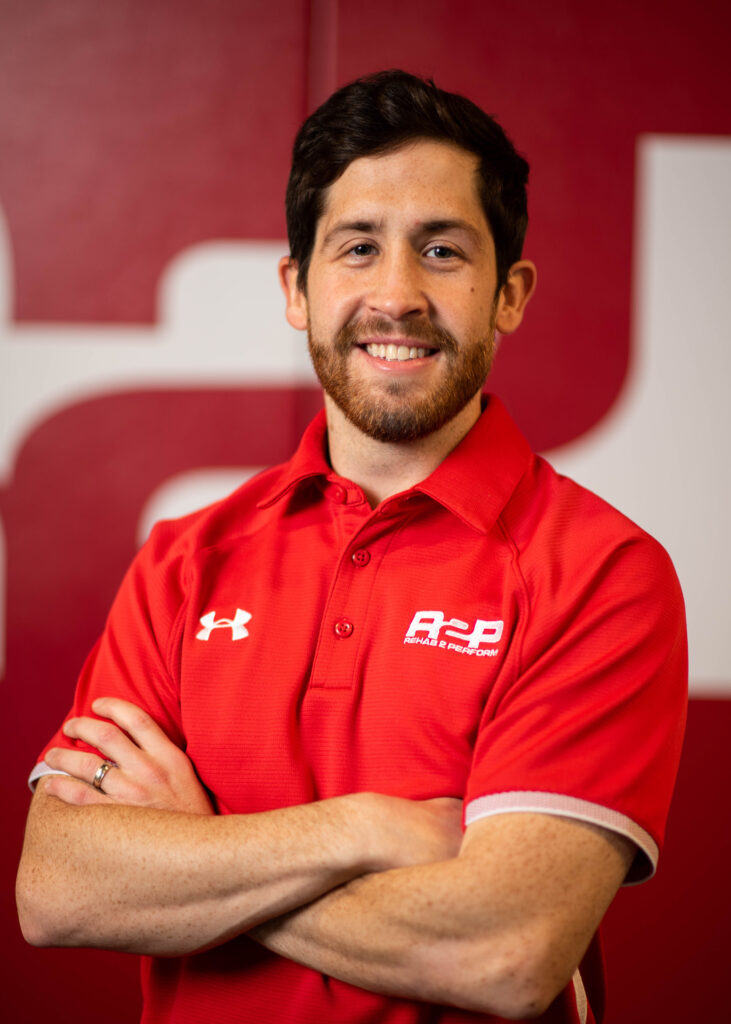
Dr. Greg Ellis PT, DPT, CSCS
Performance Physical Therapist
Follow Greg on Instagram (HERE) for more content and to see his running progress!
About Rehab 2 Perform
Rehab 2 Perform is a cutting-edge health and wellness company changing expectations of the healthcare experience. With 15+ locations across the DC, Maryland, and Virginia region, R2P delivers a gym-based, movement-driven approach to rehabilitation and performance. The company’s team of physical therapists is dedicated to helping individuals of all ages and abilities move, feel, and perform better for life. Schedule Now
We accept all major insurances, including Tricare, VA Community Care, the Johns Hopkins Healthcare Network, and Kaiser Permanente.