

Lamar Jackson’s Ankle Injury: What We Know, What We Don’t, and What Recovery Looks Like
R2P Injury Breakdown | Week of October 12, 2026 | By Dr. Zach Baker, DPT, SCS Jackson is not an R2P patient. This breakdown draws on public reporting and describes how ankle sprains typically present and recover, not his specific diagnosis or care. Lamar Jackson injured his left ankle on the final offensive play of…
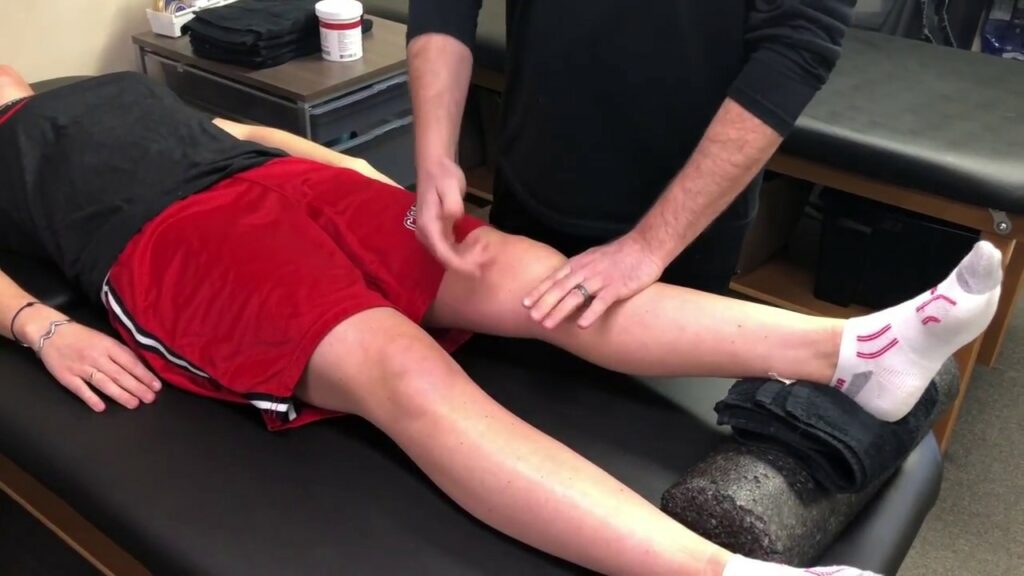
ACL Return to Sport: What Passing the Test Doesn’t Tell You
Written by Dr. Josh Funk, DPT If you’ve had ACL reconstruction and you’re working your way back to sport, passing your return-to-sport tests is the goal. It isn’t the whole story. Paterno and colleagues followed young athletes for two years after ACL reconstruction and return to sport, reporting in the American Journal of Sports Medicine…
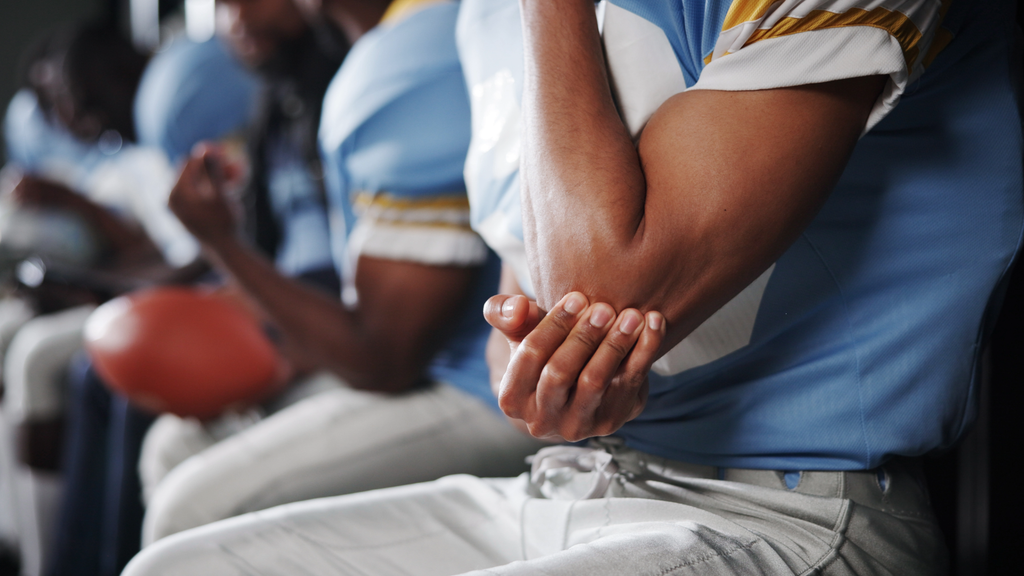
Dislocated Again: Jayden Daniels’ Elbow Injury, Recovery, and Re-Injury Risk
R2P Injury Breakdown | Week of October 5, 2026 | By Dr. Zach Baker, DPT, SCS Jayden Daniels dislocated his left elbow for the second time in under a year when he braced a fall against the Cowboys in Week 2. Imaging showed no fracture or ligament damage, so he is rehabbing without surgery. Elbow…

Hamstring Strain Return to Sport: Why the Second Injury Is Usually Worse Than the First
Written by Dr. Josh Funk, DPT If you’ve strained a hamstring before, you already know the real risk isn’t the first injury, it’s the second one. Hamstring strains have among the highest reinjury rates of any sports injury. Erickson and Sherry, reviewing hamstring rehabilitation and return to sport in the Journal of Sport and Health…
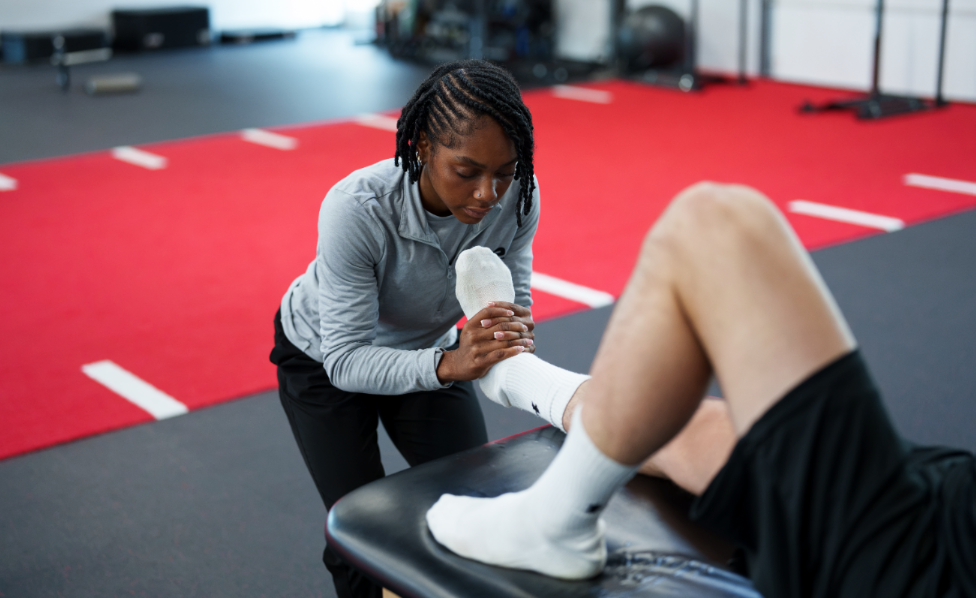
Ankle Sprain Return to Sport: Why “It Doesn’t Hurt Anymore” Isn’t the Same as Ready
Written by Dr. Josh Funk, DPT If you’re asking when you can get back to sport after an ankle sprain, the honest answer is that pain-free and ready are not the same thing. Ankle sprains are one of the most common injuries in sport, and in a prospective study of first-time sprains published in the…
Bone Stress Injuries and Stress Fractures: Recovery Time, Symptoms, and Return to Running
Written by Dr. Josh Funk, DPT A bone stress injury is damage to bone from repeated loading without enough recovery. It runs on a spectrum from a stress reaction to a full stress fracture. More than 9 in 10 athletes return to their sport. Recovery time depends on which bone is injured and how advanced…
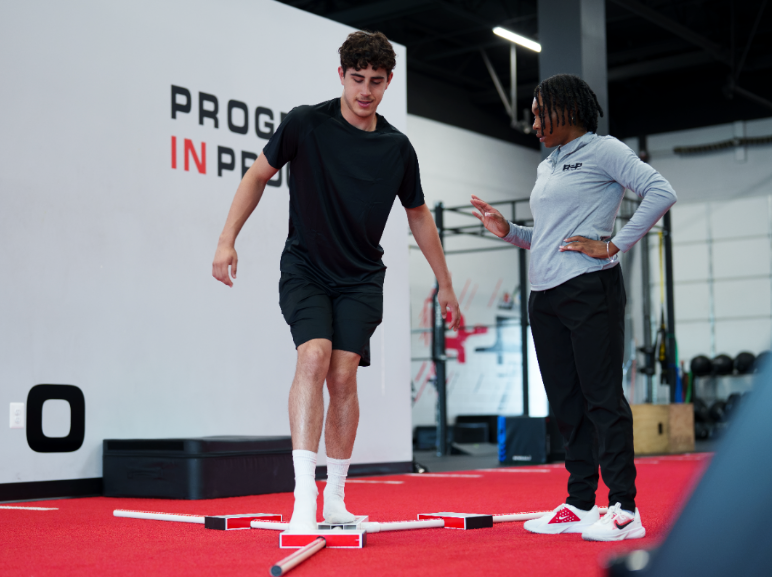
Returning to Sport After Injury: How to Reduce Your Risk of Getting Hurt Again
Written by Dr. Josh Funk, DPT If you’re asking when you can return to your sport after an injury, the honest answer is that the calendar is the wrong question. The 2016 international consensus statement on return to sport, from sports medicine and physical therapy experts convened in Bern, established that readiness should be judged…
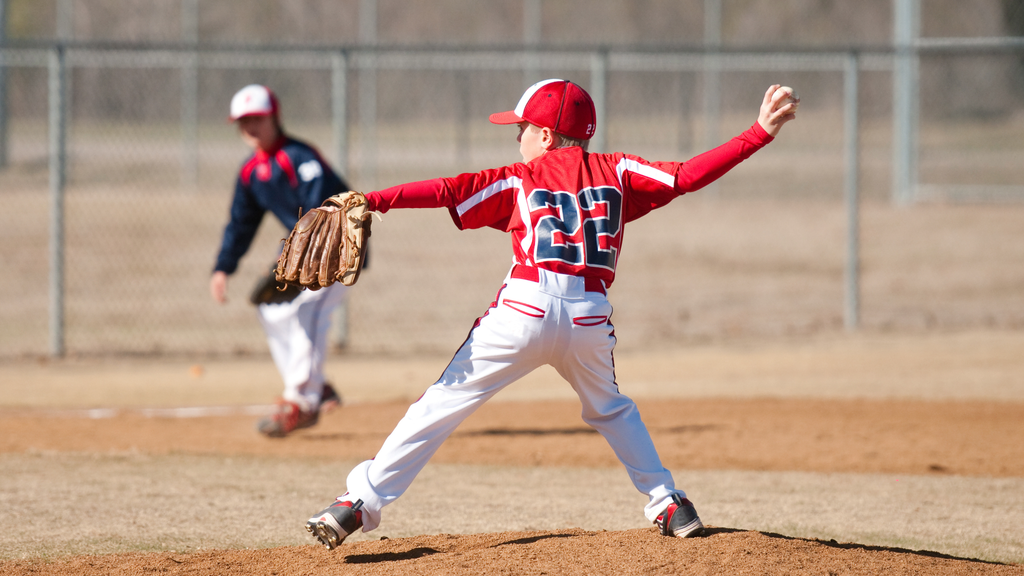
Little League Shoulder: How Long It Lasts, How It’s Treated, and How to Get Back to the Mound
Written by Dr. Josh Funk, DPT Little League shoulder is growth-plate irritation at the top of the upper arm bone, caused by the repetitive rotational stress of overhead throwing, and it’s the one growth-plate injury in young athletes where the answer isn’t to manage load and keep going. Current best practice is an actual break…
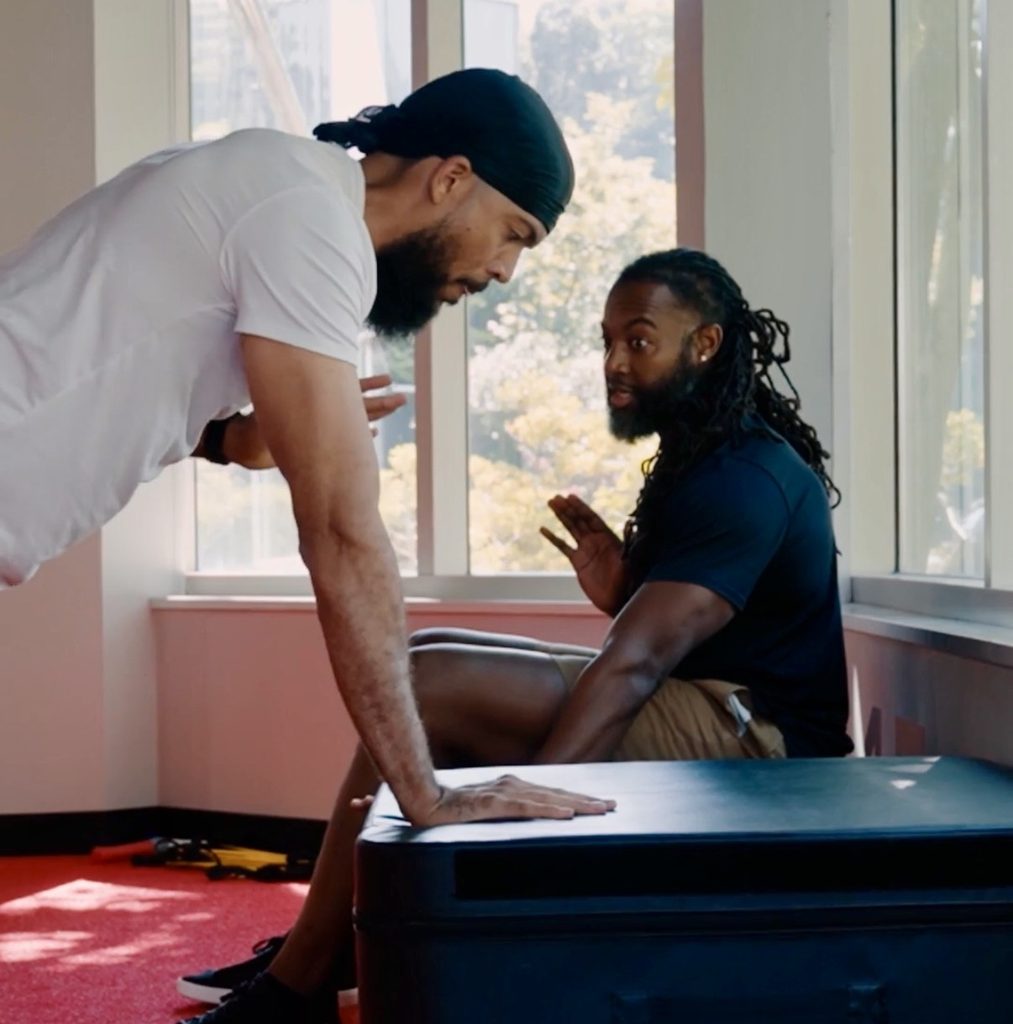
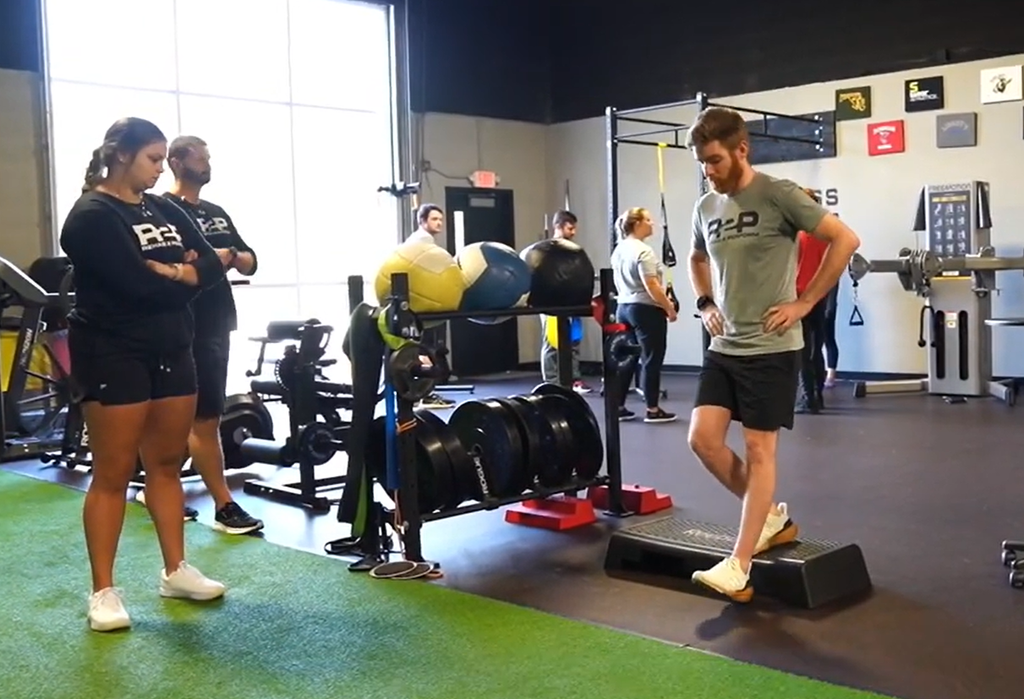
One Physical Therapist’s Journey at Rehab 2 Perform
What Walking Into R2P Looks Like on Day One Squat racks. Sleds. Kettlebells. Medicine balls. When Dr. Andrew Bucknor, DPT, COMT, CSCS walked into his first Rehab 2 Perform facility, he saw equipment he’d never expected to find in a physical therapy clinic. It wasn’t what he associated with rehab. It looked like a performance…
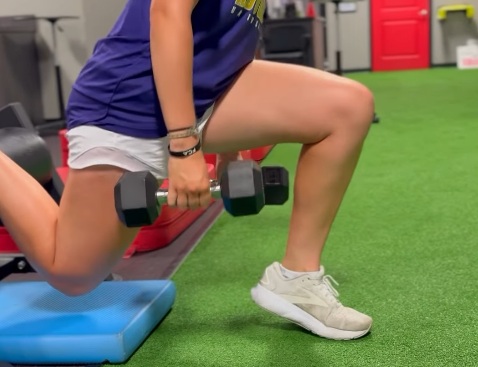
Sever’s Disease: How Long It Lasts, How It’s Treated, and How to Keep Your Child Playing
Written by Dr. Josh Funk, DPT Sever’s disease, also called calcaneal apophysitis, is a self-limiting growth-plate irritation at the back of your child’s heel, and the encouraging part is the same as it is for other growth-plate injuries: your child usually doesn’t have to sit the season out. The old advice was rest completely until…