

Running Taper: How Long to Taper and How to Warm Up on Race Day
By Dr. Rachelle Barrett, DPT , Performance Physical Therapist, Rehab 2 Perform Gambrills | October 2026 I remember my first half marathon. We were bused to the start, and by the time we got there, there wasn’t much time to do anything before getting into the corral. I went from sitting on a bus to…

Running Foot Strike: Heel Strike vs. Midfoot and What Actually Matters
By Dr. Rachelle Barrett, DPT , Performance Physical Therapist, Rehab 2 Perform Gambrills | October 2026 Neither heel striking nor midfoot striking is inherently right or wrong. What actually differs between them is where the load goes with every step. Once you know that, the question stops being “how do I change my foot strike?”…

Running Cadence: Why 170–180 Steps a Minute Actually Matters
By Dr. Rachelle Barrett, DPT — Performance Physical Therapist, Rehab 2 Perform Gambrills | September 2026 Why I Count Steps Before I Ever Talk About Pace I had a runner in this week training for her second half marathon. No injury, no complaints. She just wanted to know if there was anything left on the…
Hip Strength for Runners: The Muscle Group Doing More Than You Think
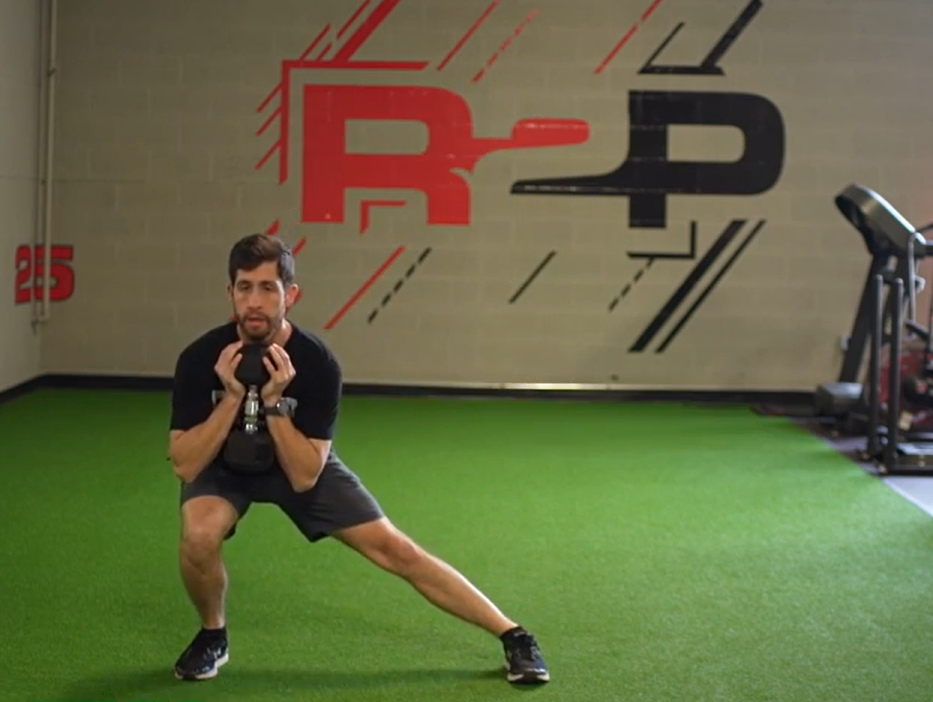
By Dr. Rachelle Barrett, DPT — Performance Physical Therapist, Rehab 2 Perform Gambrills | August 2026 Why I Test Hip Strength on Nearly Every Runner I see I had a runner in this week, a guy in his 40s, mid-way through an early fall race training block. Good mileage base, no pain, no complaints. He…

What Every Runner Should Know Before Adding Mileage
By Dr. Rachelle Barrett, DPT — Performance Physical Therapist, Rehab 2 Perform Gambrills | July 2026 I had a runner in our Gambrills facility last week, three weeks into training for a fall half marathon. She told me she felt the best she had felt all year. Easy runs felt easy. Her legs wanted more….

Overstriding Running: What It Is and How to Fix It
By Dr. Rachelle Barrett, DPT — Performance Physical Therapist, Rehab 2 Perform Gambrills | July 2026 Most runners never know they are overstriding. They just know something feels harder than it should. A run that takes more out of them than the distance justifies. A vague tightness at the knee or hip that builds over…

The Impact of Stress on Running Performance
Stress and Running Performance: How Life Stress Affects Your Runs and What to Do About It Many runners assume that running performance is driven entirely by training variables like mileage, pacing, and workouts. As a physical therapist who works with runners daily, I see a different picture. Stress and running performance are directly connected. Life…

Sore vs. Injured Running: How to Tell the Difference
Every runner knows the feeling: you wake up after a hard training day and something hurts. The question that follows can define your entire week. Is this normal soreness, or is this an injury? Understanding the difference between sore vs. injured running is one of the most valuable skills a runner can develop. It helps…

Running Injury Management: What to Do When You Get Hurt While Running
As a physical therapist who also runs, I see this moment from both sides. You feel something wrong mid-run. Pain shows up, panic sets in, and your mind immediately goes to worst-case scenarios. Running injury management does not need to start with fear. It starts with understanding what your body is telling you and responding…

Why Strength Training Is Non-Negotiable for Runners
Strength training for runners is often treated as optional, something to add only when time allows. As a physical therapist who works with runners every day and as someone who runs consistently, I see the impact of this mindset all the time. Runners who skip strength work often struggle with recurring injuries, declining efficiency, and…