Pelvic Floor Physical Therapy in Baltimore, MD
Pelvic Floor Physical Therapy Is Coming to Baltimore Harbor Point
Pelvic health concerns can affect how you run, lift, train, work, recover after pregnancy, or simply move through your day. They are common, but they are not something you have to quietly work around.
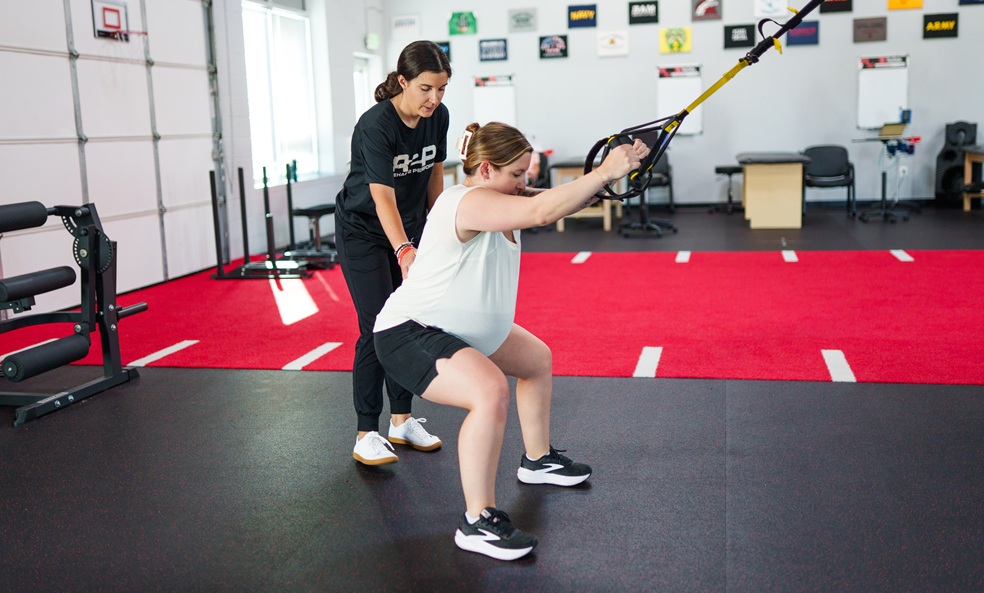
Rehab 2 Perform is bringing dedicated pelvic floor physical therapy to Baltimore Harbor Point at 1413 Point Street. Led by Dr. Samantha “Sam” Dolch, DPT, ATC, Pelvic Health at R2P combines one-on-one physical therapy with the same fitness-forward environment and movement-based approach our patients experience throughout Rehab 2 Perform.
For Baltimore patients, that means pelvic health care designed around more than symptoms. The goal is to understand what is limiting you, build a plan around your body and your goals, and help you return to the activities that matter to you.
Meet Dr. Sam Dolch, DPT, ATC
Dr. Sam Dolch is a Doctor of Physical Therapy, Athletic Trainer, and pelvic health-trained clinician who will help lead Rehab 2 Perform’s Baltimore Harbor Point location. She brings a sports rehabilitation background to pelvic health care, which makes her approach a natural fit for active adults who want to keep moving through pregnancy, postpartum recovery, pelvic floor concerns, and beyond.
For Sam, opening in Baltimore is personal. She has called the city home for a decade, began her physical therapy career here, built her community here, and is now raising her family here as a new mom.

“After 10 years of calling Baltimore home, I couldn’t be more excited to bring R2P to the city that has given me so much. Baltimore is where I started my career as a physical therapist, built my community, and had the privilege of starting my family. Opening this location feels incredibly special, and I can’t wait to serve the Baltimore community through fitness-focused physical therapy. As a new mom and pelvic health specialist, I’m especially excited to create a space where the women and moms of Baltimore feel supported in staying active, strong, and doing what they love.”
What Is Pelvic Floor Physical Therapy?
The pelvic floor is a group of muscles that helps support the bladder, bowel, reproductive organs, core, and the way pressure is managed through the trunk. Like any other muscle group, the pelvic floor needs the right combination of strength, mobility, coordination, and endurance for the demands placed on it.
At Rehab 2 Perform, we use Pelvic Health as the broader term for this area of care. Pelvic floor physical therapy can address symptoms and movement limitations related to pregnancy, postpartum recovery, bladder and bowel function, pelvic pain, prolapse, menopause-related changes, and other pelvic floor concerns.
It is also not just for people who have been pregnant. Everyone has a pelvic floor, and pelvic floor dysfunction can affect people across different ages, activity levels, and life stages.
What Can Pelvic Floor Physical Therapy Help With?
Pelvic floor concerns do not always look the same. Some people notice symptoms during exercise. Others feel them during pregnancy, after delivery, at work, or during everyday activities.
Pelvic Health at R2P may address concerns including:
- Pregnancy-related hip, low back, pelvic, or SI joint discomfort and staying active during pregnancy
- Postpartum recovery, including return to running, lifting, and exercise
- Urinary incontinence or leaking with running, jumping, coughing, or lifting
- Pelvic floor weakness, tightness, or poor coordination
- Pelvic organ prolapse and feelings of pelvic heaviness
- Pelvic pain and pain with activity
- Bowel and bladder dysfunction
- Perimenopause and menopause-related pelvic floor changes
Pregnancy and Postpartum Are Part of Pelvic Health
Pregnancy and postpartum care are an important part of pelvic health, but they are not the whole story. During pregnancy, physical therapy can help people continue moving and exercising while adapting to a changing body. After delivery, pelvic health physical therapy can help rebuild strength, improve coordination, address symptoms, and create a progressive return to the activities that matter most.
That might mean getting comfortable walking longer distances, lifting and carrying a baby, returning to the gym, rebuilding a running program, or preparing for a sport or event again.
What to Expect at Your First Pelvic Health Appointment
Your first appointment begins with a detailed conversation about what you are experiencing, your medical and activity history, and what you want to get back to doing.
From there, your physical therapist may assess posture, movement, strength, range of motion, the hips, core, low back, and pelvic floor muscles. When clinically appropriate, a pelvic floor muscle assessment may include external observation or internal testing. Any internal assessment is guided by your comfort level and consent.
The goal is to understand whether the pelvic floor is too tight, too weak, poorly coordinated, or being affected by other areas of the body, then build an individualized plan around what the assessment actually shows.
Pelvic Health at R2P Goes Beyond Traditional Physical Therapy
Pelvic floor physical therapy is not simply a list of Kegels.
At Rehab 2 Perform, pelvic health care lives inside the same fitness-forward model as our sports rehabilitation. Hands-on treatment and education can be part of care, but movement and exercise remain central to the process.
If your goal is to squat, deadlift, run, jump, train, compete, or simply move through daily life with more confidence, the rehabilitation process should prepare you for those demands. Your exercises should progress with you, not stop at the treatment table.
That is especially important for active adults and athletes who may feel better before they are actually ready for the load, speed, impact, or endurance their activity requires.
Pelvic Floor Physical Therapy in Baltimore
Rehab 2 Perform: Baltimore Harbor Point is located at 1413 Point Street, Baltimore, MD 21231, near the Inner Harbor waterfront and minutes from I-83. The clinic serves Harbor Point, Harbor East, Fells Point, Canton, Federal Hill, Downtown Baltimore, and active communities throughout Baltimore City.
All major insurance plans are accepted. Maryland also allows Direct Access to physical therapy, although individual insurance requirements can vary.
If pelvic floor symptoms, pregnancy-related changes, or postpartum recovery are keeping you from moving the way you want to move, you do not have to wait until they become a bigger limitation.
Schedule a Pelvic Health evaluation with Dr. Sam Dolch at Rehab 2 Perform: Baltimore Harbor Point.
What to Know – FAQs
Rehab 2 Perform offers pelvic floor physical therapy at its Baltimore Harbor Point clinic at 1413 Point Street. Dr. Sam Dolch provides Pelvic Health care within R2P’s fitness-forward physical therapy environment.
No. Pregnancy and postpartum are important parts of pelvic health, but pelvic floor physical therapy can also address incontinence, pelvic pain, prolapse, bowel and bladder concerns, menopause-related changes, and other pelvic floor dysfunction.
No. Pelvic floor treatment may include strength, mobility, coordination, breathing, pressure management, education, and progressive exercise. For some patients, Kegels may not be appropriate or necessary.
Pelvic health physical therapy can assess the strength, coordination, movement capacity, and symptoms that matter for returning to higher-demand activities, then progressively prepare you for running, lifting, and exercise based on your individual needs.
Rehab 2 Perform accepts all major insurance plans. Coverage and benefits vary by plan, so the R2P team can help answer questions about your specific insurance before your first visit.
Maryland allows Direct Access to physical therapy, so you can generally schedule an evaluation without first obtaining a physician referral. Some insurance plans may have specific requirements.
About Rehab 2 Perform
Rehab 2 Perform is a leading physical therapy and sports rehabilitation company dedicated to helping clients achieve optimal performance in their daily lives, whether they are athletes, weekend warriors, or individuals recovering from injury. With a team of highly skilled professionals across the DMV, Rehab 2 Perform offers a personalized, evidence-based approach that emphasizes active rehabilitation and functional fitness. Find a Location near you, or Schedule Here.