
Can Physical Therapy Fix Back Pain Without Surgery? For Most People, Yes
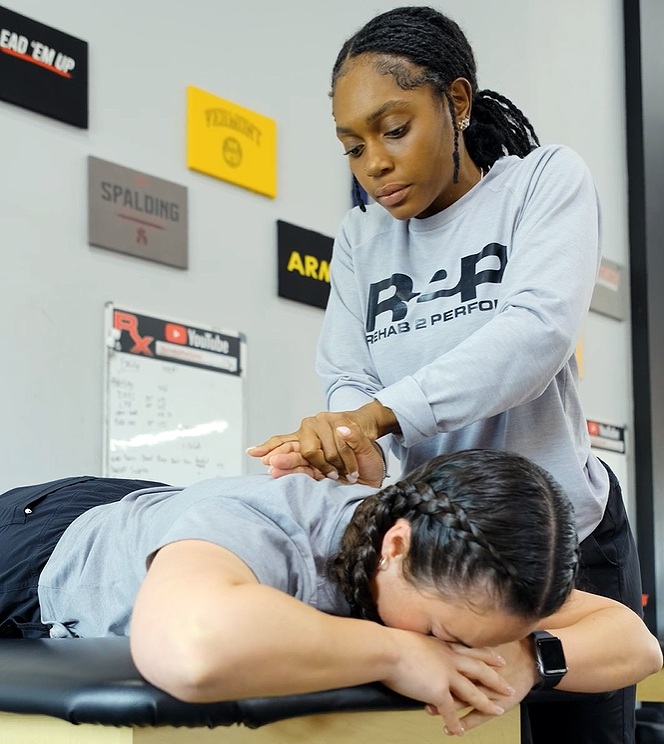
For the large majority of low back pain, yes. Most low back pain is non-specific, which means it isn’t caused by something that needs a surgeon, and clinical guidelines point to active, conservative care like physical therapy as the first move, not surgery. The principle we treat by is simple: Modify is better than Rest. Your spine is sensitive, not fragile, and movement is the medicine. A small number of cases do need prompt medical attention, and we’ll name those signs clearly. But most people get back to full by staying active and training smart, not by going under the knife.
This article is general education, not medical advice, and it is not a diagnosis of your specific condition. Reading it does not create a provider-patient relationship. Everyone’s situation is different. If your pain is severe, persistent, or worsening, or if you notice any of the warning signs listed below, see a licensed physical therapist or physician.
The short answer: most back pain doesn’t need surgery
Here’s what the evidence says. The vast majority of low back pain is non-specific, meaning there’s no single structure to blame and nothing that requires an operation. Clinical guidelines consistently recommend active, conservative care as the first-line approach for back pain without warning signs. Surgery is the right answer for a small, specific set of cases, and we’ll cover how to recognize those below.
So if you’re searching this question with a sore back, the odds are heavily in your favor. The path back usually runs through movement and smart loading, not a procedure.
Check out the APTA’s Physical Therapy Guide to Low Back Pain
Your spine is sensitive, not fragile
The biggest thing standing between most people and recovery isn’t the injury. It’s the belief that they’re broken.
Back pain comes loaded with fear: that you’ve done permanent damage, that you need weeks of rest, that you should protect your spine and avoid movement. Almost none of that holds up. Your spine is sensitive, not fragile. A flare-up is a flare-up, not a life sentence, and hurt does not equal harm. Pain is better understood as a warning signal, a request for a change in activity and load, than as proof something is broken.
One more myth worth retiring: you are not your MRI. Plenty of people with disc findings on a scan have zero pain, and plenty of people in pain have clean images. The picture rarely tells the whole story.
Modify is better than Rest
When your back flares, the instinct is to stop everything and rest. Beyond a day or so, that usually backfires. Stillness is the accelerant. Movement is the medicine.
The better move is to modify, not quit. You turn the dials instead of shutting the whole system down. Drop the load, shorten the range, reduce the volume, swap an aggravating exercise for one that feels clean, slow the tempo down for more control. The goal is to keep your spine exposed to safe, manageable load while it settles, because that’s what tells your body it’s okay to move again.
You keep training. You just train differently for a stretch.
Most flare-ups are a math problem
Back flare-ups are rarely random. They’re usually load-related, and something shifted in the week or two before it showed up. A jump in training volume or intensity. A lot more sitting or driving. A stretch of poor sleep or high stress. Less walking than usual.
Find what changed and you’ve found your lever. And because the body works as one system, the inputs that look unrelated, sleep, stress, mood, still matter. Backs flare when the whole system is overloaded, not just when the spine is.
What physical therapy actually does for back pain
This is where a clinician earns their keep. We assess, we don’t guess: we find what’s driving the flare, identify the trigger, and build a plan that keeps you active while it calms down. Then we go a step further and build the capacity that keeps it from coming back. That’s the difference between chasing pain and solving it.
It’s active care, not a table and a heating pad. The work is the treatment, and the goal is to hand you back a body that’s more durable than the one that flared.
When you should get evaluated
Most back pain is safe to keep moving through. A small set of signs is different and means you should be evaluated promptly rather than self-managing:
- Pain that’s worsening quickly day to day.
- Numbness, tingling, or weakness running down a leg.
- Any change in bowel or bladder control.
- Back pain following significant trauma like a fall or a car accident.
- Fever, unexplained weight loss, or feeling systemically unwell alongside the pain.
- Pain that’s constant and severe and doesn’t change no matter how you position yourself.
A few of these warrant emergency care, not just an appointment.
Loss of bowel or bladder control, or numbness in the groin or inner thigh, can signal a rare but serious condition and means you should go to an emergency department right away.
Separately, even without those signs, it’s worth getting evaluated if the pain hangs on past two to four weeks, if it’s getting worse despite smart modification, or if you’re losing strength, confidence, or performance.
That’s not failure. That’s using the right tool at the right time.
Where Rehab 2 Perform fits
We treat back pain the way the evidence says to: by keeping you moving, not benching you. That’s a Modern Approach to Physical Therapy. You come in with a flare or a nagging issue, a Doctor of Physical Therapy figures out what’s driving it, and we build a plan that keeps you active while we solve it.
You don’t need a referral to start. In Maryland and Virginia, direct access laws let you book an evaluation on your own decision, so you can get ahead of a flare instead of waiting on it.
Why this is personal
I’m a Doctor of Physical Therapy, University of Maryland. Before that I captained Division I lacrosse at Ohio State and played professionally in the NLL. As a college athlete I tore my labrum and rotator cuff and was looking at surgery. I avoided it through physical therapy, and that experience is the reason R2P exists.
Different body part, same lesson. People get pointed toward rest or surgery far earlier and far more often than they need to be. For most musculoskeletal pain, including the back, the body is more capable and more adaptable than anyone gives it credit for. Our whole job is to prove that to you and get you back to what you love.
Frequently Asked Questions
For most people, yes. The majority of low back pain is non-specific and responds to active, conservative care like physical therapy, which guidelines recommend as the first-line approach. Surgery is necessary only in a small number of specific cases. Most people recover by staying active and addressing the cause, not through a procedure.
No. Most low back pain is non-specific and does not require surgery. Clinical guidelines recommend active, non-surgical care first. Surgery is reserved for a small subset of cases with specific findings, such as significant nerve involvement that doesn’t respond to conservative care.
Beyond a day, extended rest usually makes back pain worse, not better. The better approach is to modify rather than stop: reduce load, range, or volume while continuing to move. Movement helps your back recover. Prolonged stillness tends to prolong the problem.
In most cases, yes, with smart modification. Keeping your spine exposed to safe, manageable load helps recovery. The key is adjusting the right variables rather than shutting training down entirely. A physical therapist can help you find which adjustments to make.
Get evaluated promptly if you have rapidly worsening pain, numbness, tingling, or weakness down a leg, changes in bowel or bladder control, pain after significant trauma, fever or unexplained weight loss, or constant severe pain that doesn’t change with position. These are uncommon but warrant prompt medical attention.
Not on its own. Imaging findings like disc bulges are common in people with no pain at all, and many people with significant pain have normal scans. You are not your MRI. Most disc-related back pain improves with conservative care, and surgery is considered only in specific situations.
It varies, but many people notice meaningful improvement within a few weeks of active, guided care. If pain persists beyond two to four weeks or worsens despite smart modification, that’s a signal to get evaluated and adjust the plan.
In Maryland and Virginia, no. Direct access laws let you book an evaluation with a physical therapist without a physician’s referral, so you can start care on your own timeline.
Ready to Perform at Your Best?
You don’t have to choose between living with back pain and going under the knife. If your back is flaring or nagging, book an evaluation at one of our 15 DMV locations and a Doctor of Physical Therapy will find the cause and build a plan that keeps you moving. No referral needed in Maryland or Virginia. Don’t let back pain define you. That’s Ready 2 Perform.
This content is provided by Rehab 2 Perform for educational and informational purposes only. It is not medical advice and is not a substitute for an individual evaluation, diagnosis, or treatment by a licensed physical therapist or physician. Reading it does not create a provider-patient relationship, and individual results vary. If you have pain that is severe, persistent, or worsening, seek care promptly. If you experience loss of bowel or bladder control or numbness in the groin or inner thigh, seek emergency care immediately.