
Running Injury Management: What to Do When You Get Hurt While Running

As a physical therapist who also runs, I see this moment from both sides. You feel something wrong mid-run. Pain shows up, panic sets in, and your mind immediately goes to worst-case scenarios.
Running injury management does not need to start with fear. It starts with understanding what your body is telling you and responding strategically instead of emotionally. How you handle the first days and weeks after a running injury often determines how quickly and confidently you return.
Should You Stop Running When Pain Starts?
The short answer: it depends on how your body responds, not just where discomfort is felt.
Early warning signs that warrant stopping or modifying include:
- Pain that worsens as the run continues
- Discomfort that changes your running form
- Symptoms that linger or escalate after running
- Pain that affects daily activities outside of training
Not all pain means damage. Some discomfort reflects fatigue or overload that can improve with adjustments. The key is learning when to modify and when to pause, and that distinction matters more than most runners realize.
Why Panicking After a Running Injury Slows Recovery
When runners panic, they tend to swing to extremes. Some push through pain to avoid losing fitness. Others shut everything down out of fear. Both approaches delay recovery.
From a running performance physical therapy perspective, emotional decision-making leads to:
- Poor choices around training load
- Abrupt loss of conditioning
- Increased fear around movement
- Longer return-to-run timelines
Staying calm allows runners to preserve fitness while addressing the actual issue, rather than reacting impulsively to the pain signal.
How to Manage a Running Injury Without Losing Fitness
A running injury does not automatically mean starting from zero. Many runners can maintain meaningful fitness while symptoms settle, as long as adjustments are made early and intentionally.
Effective early strategies include:
- Reducing volume or intensity rather than stopping completely
- Temporarily swapping high-impact training for low-impact conditioning
- Maintaining strength work where tolerated
- Monitoring symptoms instead of chasing pain-free perfection
Preserving your capacity during injury shortens the path back to full training. The runners who protect their base come back faster and with more confidence.
When Rest Helps and When It Hurts Your Progress
Rest plays a role in recovery, but complete rest is rarely the full solution. In the clinic, I regularly see runners lose more ground from unnecessary inactivity than from the injury itself.
Rest is appropriate when:
- Pain worsens quickly with activity
- Symptoms significantly alter your mechanics
- Daily function becomes limited
Movement is appropriate when:
- Pain improves as you warm up
- Symptoms are stable or decreasing
- Your form remains consistent
The goal is strategic rest paired with intentional movement, not avoidance. Understanding which category you are in on any given day is the difference between a two-week detour and a two-month setback.
How Strength and Mechanics Influence Running Injury Recovery
Running injuries are rarely isolated to one tissue. They are almost always influenced by how force is distributed throughout the body during movement. That is why strength and mechanics matter even during recovery.
Targeted strength work supports running injury recovery by:
- Reducing load on irritated tissues
- Improving motor control and coordination
- Addressing the contributing factors that led to injury in the first place
- Preparing the body for a confident return to running
Runners who address strength and movement patterns early in the recovery process tend to come back with fewer setbacks and more durability.
When General Advice Is Not Enough
Online advice has real limits. Persistent pain, recurring injuries, or genuine uncertainty about training decisions often require individualized guidance, not more Google searches. For runners in Maryland and Northern Virginia, access to a performance-focused PT who understands training load and return-to-run timelines makes that guidance significantly more actionable.
A performance-focused running evaluation can assess:
- How your mechanics change under fatigue
- Strength deficits affecting load tolerance
- Training variables contributing to your symptoms
- Safe ways to maintain fitness throughout recovery through sports rehabilitation or targeted programming
This kind of clarity replaces guesswork with a plan and significantly reduces the fear that keeps runners sidelined longer than necessary.
If you are dealing with a running injury and want a clear path forward, an Initial Evaluation with one of our Performance Physical Therapists may be a best route for you at one of our 15+ locations.
If you are looking to improve your runs, our Running Performance Analysis looks at mechanics, strength, and movement patterns that influence both recovery and long-term performance, and may be your best option! It is built for runners who want to return stronger and more confident. Learn more at rehab2perform.com/run.
Respond to Injury With a Long-Term Mindset
A running injury does not erase your fitness or your identity as a runner. How you respond in the early days determines whether it becomes a brief detour or a recurring cycle.
Running injury management is about staying engaged, adapting intelligently, and protecting your long-term goals, not reacting emotionally to short-term pain.
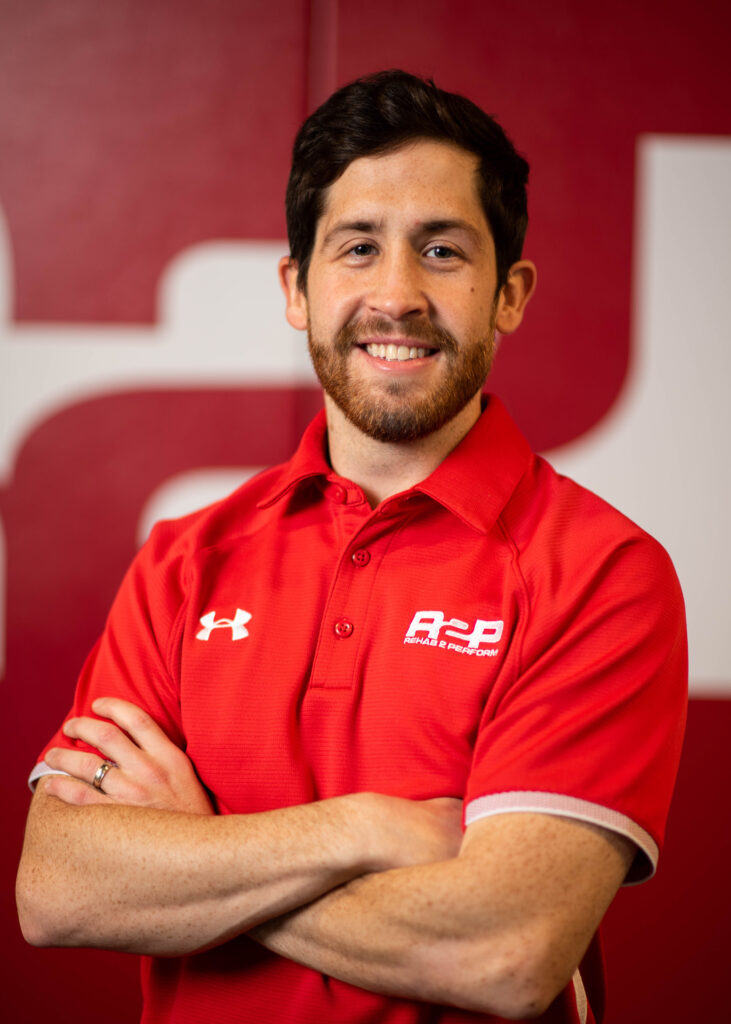
-Dr. Greg Ellis PT, DPT, CSCS, Performance Physical Therapist at Rehab 2 Perform Owings Mills
Frequently Asked Questions About Running Injury Management
Monitor how your body responds during and after the run. If pain worsens as you continue, alters your form, or affects daily activities outside of training, that is a signal to pause or modify. Discomfort that stays stable or improves with warmup often reflects overload rather than damage, but context matters and individual evaluation is always more reliable than general rules.
In most cases, yes. Reducing volume, shifting to low-impact conditioning, and maintaining strength work where tolerated can preserve a significant portion of your fitness base. Complete shutdown is rarely necessary and often works against you.
Recovery timelines vary based on the type of injury, how long symptoms have been present, your overall training history, and how early you begin addressing contributing factors. Runners who modify load and address strength early tend to return faster than those who rest completely and wait.
It depends on the type and behavior of the pain. Fatigue-related discomfort that stays stable or improves is different from sharp, worsening, or mechanically disruptive pain. Running through the latter increases injury risk and can extend your total time away from training. When in doubt, modify before you stop entirely, and get an individual assessment if symptoms persist.
General muscle soreness typically peaks 24 to 48 hours after a hard effort and resolves with light movement. A running injury more often presents as localized pain that worsens with specific activities, does not follow normal recovery patterns, or begins to affect your mechanics or daily function. If you are unsure, that uncertainty alone is a reason to get evaluated.
Earlier than most runners think. If pain is not improving within a week of modifying your training, if symptoms are recurring, or if you are uncertain about what is safe to do, a performance-focused PT evaluation gives you a clear picture of what is happening and a specific plan to address it. Waiting often extends the timeline.
Meaningful deconditioning takes longer than most runners fear. With intentional cross-training and strength maintenance, significant fitness can be preserved even through several weeks of reduced or modified running. The goal is to manage the injury without abandoning the training base you have built.
It depends on the injury, but low-impact conditioning such as cycling, swimming, pool running, or rowing often allows runners to maintain cardiovascular fitness while reducing joint load. Strength work targeting the hips, glutes, and single-leg stability is frequently appropriate and directly supports return-to-run readiness. A physical therapist can identify what is safe and productive for your specific situation.
Fitness Forward Physical Therapy
About Rehab 2 Perform
Rehab 2 Perform is a cutting-edge health and wellness company changing expectations of the healthcare experience. With 15+ locations across the DC, Maryland, and Virginia region, R2P delivers a gym-based, movement-driven approach to rehabilitation and performance. The company’s team of physical therapists is dedicated to helping individuals of all ages and abilities move, feel, and perform better for life. Schedule Now
We accept all major insurances, including Tricare, VA Community Care, the Johns Hopkins Healthcare Network, and Kaiser Permanente.