
How to Increase Running Volume Safely

New Fitness Goals include Running? Here is how to Increase Running Volume Safely Without Injury or Burnout
Every year when runners set new fitness goals, motivation is high and patience is low. As a physical therapist who treats runners daily and as a runner myself, I see the same pattern repeat. Runners feel great early, increase running volume quickly, and assume their body will keep up. Increasing running volume can be a powerful way to improve fitness, but when it happens too fast, it often leads to injury or burnout.
Whether you are training for your first race, returning after time off, or pushing toward a new performance goal, how you increase running volume matters more than how motivated you feel in the moment.
Why increasing running volume too fast leads to injury
Most running injuries are not caused by one bad run. They develop when the body is exposed to more load than it is prepared to handle over time. One of the biggest mistakes runners make is assuming that if the runs are easy, their body must be ready for more mileage.
Common issues I see when runners increase volume too quickly include:
- Rapid weekly mileage jumps
- Adding speed work before building a strong volume base
- Skipping recovery days because energy feels high
- Ignoring early soreness that lingers beyond normal adaptation
General cardiovascular conditioning can improve fairly quickly initially in response to new training. However, many tissue adaptations (bones and tendons) can take longer to acclimate. This mismatch is why runners often feel capable of doing more before their tissues are truly ready.
How quickly should you increase running volume
There is no single perfect formula, but gradual progression consistently outperforms aggressive increases. A smart framework allows your body to adapt while keeping you consistent.
A general approach that works well for many runners includes:
- Increasing total weekly mileage by no more than 10 to 20 percent at a time.
- Holding mileage steady every few weeks to allow recovery
- Prioritizing frequency over long single runs
- Keeping easy runs truly easy
From a performance standpoint, this builds durability. From an injury prevention standpoint, it reduces overload before it becomes pain.
Signs your body is not tolerating volume increases
Pain is not the only signal that something needs to change. Many runners push through early warning signs because they do not feel serious yet.
Common red flags include:
- Soreness that lasts longer than 48 hours
- Stiffness that worsens during runs
- Declining run quality at the same pace
- Subtle changes in form as fatigue sets in
When these signs appear, it does not mean you should stop running. It often means adjusting volume, intensity, or recovery before problems escalate.
Why strength training matters when building mileage
As both a runner and physical therapist, I rarely separate running volume from strength training. Strength work prepares your body to handle the repetitive impact that comes with higher mileage.
Strength training helps runners by:
- Improving load tolerance in the hips, calves, and hamstrings
- Supporting efficient mechanics as fatigue increases
- Reducing compensations late in longer runs
- Enhancing durability across training cycles
Runners who skip strength work often struggle when mileage climbs, even if their running plan looks solid.
When general advice is not enough
General guidelines work well until they do not. Runners with a history of injury, recurring pain, or aggressive performance goals often need more individualized support.
In the clinic, individualized assessment allows us to look at:
- Joint mobility and load tolerance
- Running mechanics under fatigue
- Strength and control deficits
- How training variables align with the runner’s body
This is often the difference between steady progress and repeated setbacks.
Increase running volume with performance in mind
Increasing running volume is not about doing more at all costs. It is about building capacity while staying healthy and consistent. When progression, strength, and recovery are aligned, runners gain confidence and resilience.
If you are increasing running volume for a new goal and want to do it intelligently, our Running Performance Analysis is designed to help. We assess movement, mechanics, strength, and running-specific demands to guide training decisions that support durability and performance. Learn more at https://rehab2perform.com/run.
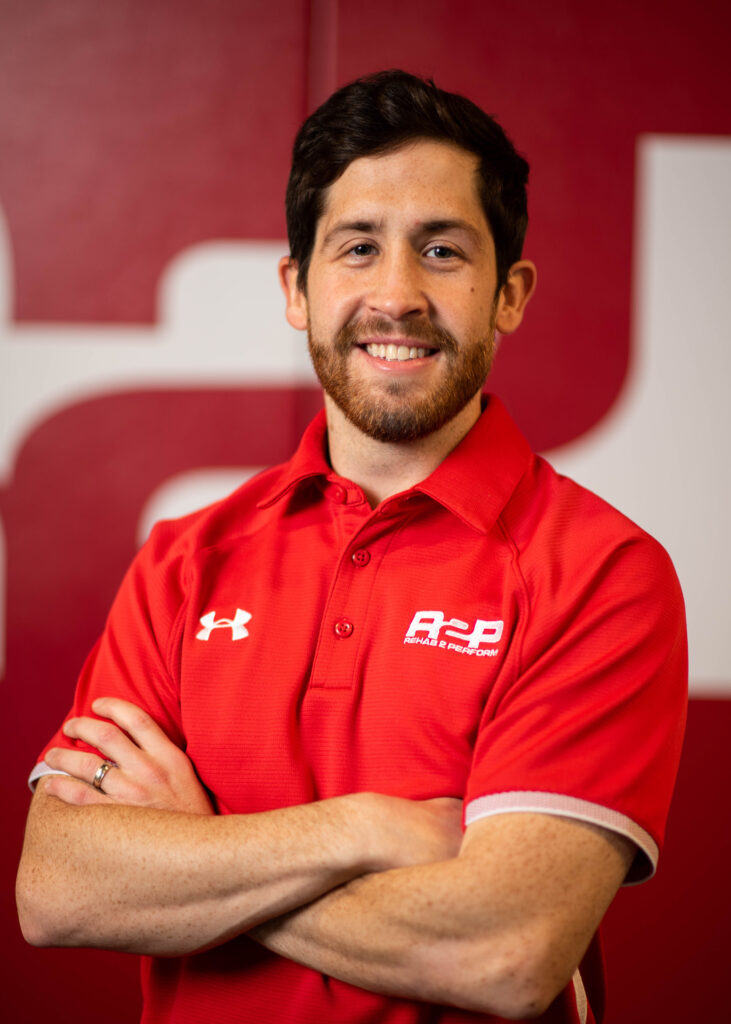
Dr. Greg Ellis PT, DPT, CSCS, Performance Physical Therapist at Rehab 2 Perform Owings Mills
Fitness Forward Physical Therapy
About Rehab 2 Perform
Rehab 2 Perform is a cutting-edge health and wellness company changing expectations of the healthcare experience. With 15 locations across the DC, Maryland, and Virginia region, R2P delivers a gym-based, movement-driven approach to rehabilitation and performance. The company’s team of physical therapists is dedicated to helping individuals of all ages and abilities move, feel, and perform better for life. Schedule Now
We accept all major insurances, including Tricare, VA Community Care, the Johns Hopkins Healthcare Network, and Kaiser Permanente.