
How to Improve Running Endurance Without Overtraining

Improving running endurance is one of the most common goals runners have, but it is also one of the easiest ways to slip into overtraining. As a physical therapist who works with runners every day and as someone who continues to train with performance goals in mind, I see this pattern often. Runners push volume, stack workouts, and assume more miles automatically mean better endurance. Improving running endurance actually requires a smarter balance of training stress, recovery, and strength.
Runners who approach endurance development intentionally tend to stay healthier, more consistent, and better prepared for long-term progress.
Why more running does not always improve endurance
A common misconception is that endurance only improves by adding more mileage. While volume matters, it is not the only driver of aerobic adaptation. From a clinical perspective, many runners break down not because they are undertrained, but because they accumulate fatigue faster than they recover.
Signs that endurance training is tipping toward overtraining include:
- Persistent fatigue despite consistent sleep
- Declining pace at familiar efforts
- Lingering soreness that does not resolve
- Loss of motivation or enjoyment
Endurance improves when training stress is applied and absorbed. Without recovery, fitness gains stall and injury risk rises.
How to improve running endurance with smarter volume
Volume remains an important part of endurance development, but how volume is added matters more than how much is added. Gradual progression allows the cardiovascular system and tissues to adapt together.
A smart volume approach includes:
- Increasing weekly mileage slowly and intentionally
- Prioritizing consistency over single long runs
- Holding volume steady during higher stress weeks
- Keeping easy runs truly easy
From a performance standpoint, this builds aerobic capacity. From an injury prevention standpoint, it limits overload that leads to breakdown.
Why recovery is essential for endurance gains
Recovery is often treated as optional, but it is where endurance adaptations actually occur. In the clinic, I frequently see runners who train hard but never allow their body to fully rebound.
Effective recovery strategies include:
- Adequate sleep and fueling
- Easy running days between harder efforts
- Planned down weeks within training cycles
- Monitoring fatigue rather than chasing pace
Runners who respect recovery improve endurance more reliably than those who push through constant fatigue.
How strength training supports running endurance
Strength training is a critical piece of endurance development that many runners overlook. As mileage increases, strength allows runners to maintain mechanics and efficiency longer into a run.
Strength training supports endurance by:
- Improving load tolerance in muscles and tendons
- Reducing compensations that appear with fatigue
- Supporting efficient mechanics late in runs
- Enhancing durability during higher volume phases
- Reducing relative effort and making you feel better prepared
Runners who integrate strength training often notice endurance improves without adding excessive mileage.
How to recognize early signs of overtraining
Overtraining rarely appears suddenly. It develops gradually as recovery debt accumulates. Recognizing early signs allows runners to adjust before setbacks occur.
Common early indicators include:
- Increasing soreness from routine runs
- Declining performance at the same effort
- Elevated resting fatigue
- Subtle changes in running form
Addressing these signs early protects both endurance gains and long-term consistency.
When general endurance advice is not enough
General endurance principles work well until a runner hits a plateau, experiences recurring injuries, or prepares for more ambitious goals. At that point, individualized guidance becomes important.
A performance-focused assessment can evaluate:
- Running mechanics under fatigue
- Strength and control deficits limiting endurance
- Load tolerance relative to training demands
- Recovery strategies that match the runner’s schedule
This individualized approach often allows runners to improve endurance without increasing overall training stress.
Build endurance with longevity in mind
Improving running endurance is not about doing more at all costs. It is about building capacity while staying healthy enough to train consistently. When volume, recovery, and strength are aligned, endurance improves naturally.
If you want a clearer path to improving running endurance without overtraining, our Running Performance Analysis helps runners understand mechanics, strength, and movement patterns that support durability and performance. It is designed for runners who want to train smarter and stay consistent long term. Learn more at https://rehab2perform.com/run.
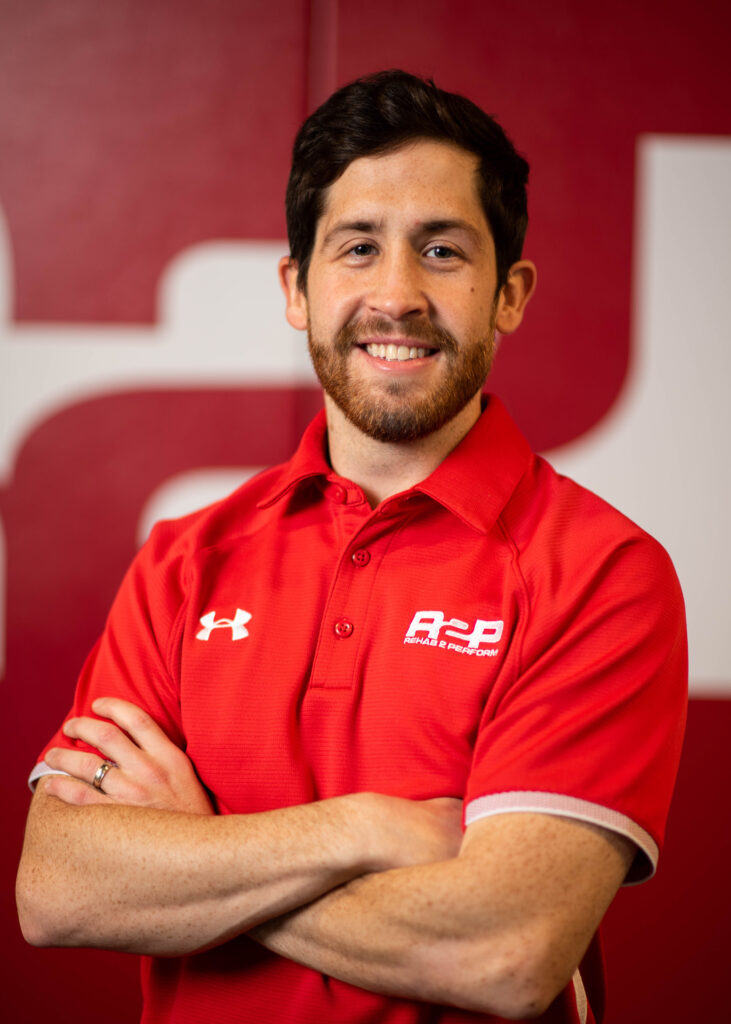
Dr. Greg Ellis PT, DPT, CSCS, Performance Physical Therapist at Rehab 2 Perform Owings Mills
Fitness Forward Physical Therapy
About Rehab 2 Perform
Rehab 2 Perform is a cutting-edge health and wellness company changing expectations of the healthcare experience. With 15 locations across the DC, Maryland, and Virginia region, R2P delivers a gym-based, movement-driven approach to rehabilitation and performance. The company’s team of physical therapists is dedicated to helping individuals of all ages and abilities move, feel, and perform better for life. Schedule Now
We accept all major insurances, including Tricare, VA Community Care, the Johns Hopkins Healthcare Network, and Kaiser Permanente.