
Race Week Tips: How to Prepare for Your Best Race Performance
Dr. Greg Ellis from Rehab 2 Perform share his top race week tips to help you prepare for race day.
Now let’s go deeper.
Race week is not about cramming in extra miles.
It is not about squeezing in one more hard workout.
It is about aligning your body and mind so you can perform at your best.
Whether you are running your first 5K, chasing a half marathon personal record, or preparing for a marathon, these race week tips will help you show up confident, prepared, and ready.
Why Tapering During Race Week Matters
One of the biggest mistakes runners make during race week is doing too much.
If your mileage or intensity drops this week, that is intentional.
A proper taper allows your:
- Muscles to repair
- Nervous system to reset
- Energy stores to replenish
- Small aches to calm down
Training breaks the body down. Recovery builds it back stronger.
By lightening your workload during race week, you are not losing fitness. You are allowing your body to express the fitness you have built.
Fitness does not disappear in a few days. Fatigue can linger if you ignore it. Trust that your training is complete and focus on arriving fresh.
Hydration Strategies Before Race Day
Hydration during race week should begin several days before the event.
Proper hydration:
- Supports muscle function
- Helps regulate body temperature
- Reduces cramping risk
- Improves endurance performance
You do not need extreme strategies. Instead:
- Sip water consistently throughout the day
- Include electrolytes if needed
- Monitor urine color and aim for pale yellow
Stay steady and consistent. Race week is not the time to experiment with new supplements or aggressive hydration protocols.
What to Eat During Race Week
Race week nutrition should be predictable and familiar.
Stick to foods you have used during training. Avoid trying new restaurants or new meals right before race day.
Maintain balanced meals that include:
- Carbohydrates
- Protein
- Healthy fats
For longer races, you may slightly increase carbohydrate intake in the final two to three days. The goal is to top off energy stores without surprising your digestive system.
Your body performs best when it knows what to expect.
Why Sleep Is Critical Before a Race
Sleep is one of the most powerful recovery tools available to runners.
During sleep:
- Muscle tissue repairs
- Hormones regulate
- The nervous system resets
- Mental clarity improves
Aim for seven to nine hours per night during race week, especially earlier in the week.
Do not panic if the night before the race is not perfect. The sleep you accumulate earlier in the week matters more.
Quality sleep improves reaction time, endurance, pain tolerance, and focus.
Create a simple routine:
- Go to bed at a consistent time
- Reduce screens before bed
- Keep your room cool and dark
How to Stick to Your Routine Before Race Day
There is no better way to disrupt performance than changing everything the week of your race.
Keep:
- Your warm up routine
- Your normal training schedule with reduced intensity
- Your usual mobility or strength work if it has been part of your plan
The body responds well to consistency.
If you usually run in the morning, keep that schedule. If you perform light mobility before runs, continue doing so.
Routine builds confidence and reduces stress. Race week is about reinforcing what has worked, not reinventing your approach.
Managing Race Week Nerves
It is normal to feel nervous during race week. That energy can be used productively.
Channel it into:
- Visualizing your race plan
- Reviewing your pacing strategy
- Preparing your gear in advance
- Checking weather and logistics
Lay out your outfit. Pin your bib early. Plan your arrival time.
Reducing race morning decisions allows you to focus on execution. Preparation builds calm.
When to See a Physical Therapist Before a Race
During race week, small aches may feel more noticeable as training volume decreases.
Mild tightness can be normal. However, sharp pain, increasing discomfort, swelling, or changes in your running form deserve attention.
A performance physical therapist can help determine whether you are experiencing normal fatigue or something that requires intervention.
Addressing concerns early can help you make informed decisions before race day.
Ready to Perform
If you are experiencing a nagging injury heading into a race, consider scheduling an evaluation with a physical therapist.
Early assessment can provide clarity and confidence.
If you are looking to enhance your running performance beyond race day, a Running Performance Assessment at Rehab 2 Perform can help you better understand your mechanics, strength, and overall running capacity. https://rehab2perform.com/run
Race week is about preparation.
Race day is about execution.
Stay consistent. Trust your training. Show up ready to perform.
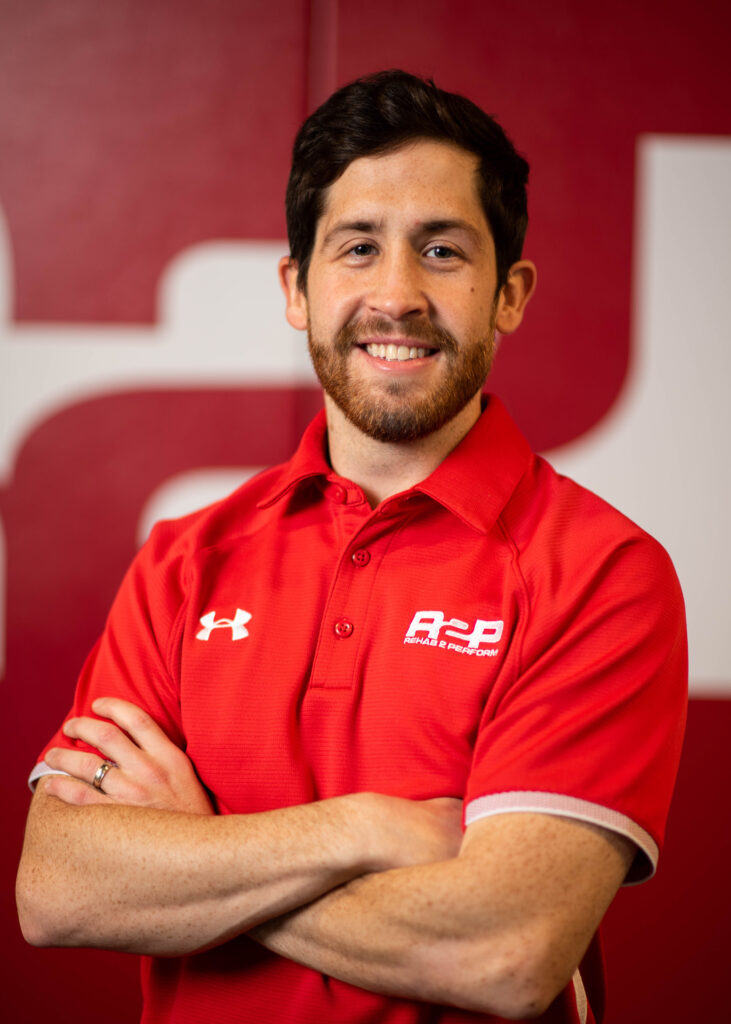
Dr. Greg Ellis PT, DPT, CSCS, Performance Physical Therapist at Rehab 2 Perform Owings Mills
Fitness Forward Physical Therapy
About Rehab 2 Perform
Rehab 2 Perform is a cutting-edge health and wellness company changing expectations of the healthcare experience. With 15 locations across the DC, Maryland, and Virginia region, R2P delivers a gym-based, movement-driven approach to rehabilitation and performance. The company’s team of physical therapists is dedicated to helping individuals of all ages and abilities move, feel, and perform better for life. Schedule Now
We accept all major insurances, including Tricare, VA Community Care, the Johns Hopkins Healthcare Network, and Kaiser Permanente.