
Hip Pain Relief: Why Strength Matters More Than Stretching
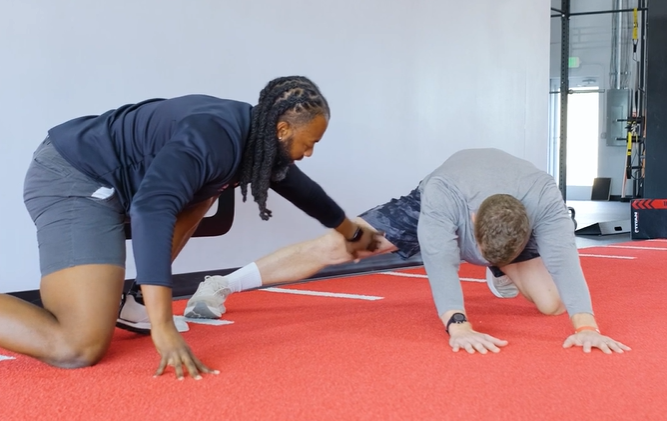
Mobility vs Strength: Why Stretching Isn’t the Answer for Hip Pain
If you have been dealing with hip pain or ongoing hip tightness, you have probably been told to stretch more. Hip flexor stretches, pigeon pose, banded distractions, and mobility drills often feel good in the moment. But for many active adults, the relief is temporary and the hip pain continues to return.
That is because feeling better is not the same as getting better.
When Hip Mobility Helps and When It Does Not
Mobility work can be helpful when true motion restrictions exist. This often applies after surgery, prolonged immobilization, or during an acute flare up where movement access has been lost. In these cases, restoring hip mobility can be an important first step.
However, in most active adults with hip pain, the hips already move enough. The real issue is not a lack of motion, but a lack of control, strength, and capacity through that available range of motion.
Stretching can temporarily reduce muscle tone or sensitivity, which explains why people often feel looser afterward. What it does not do is improve how the hip tolerates load, force, and repetition during real life activities like walking, running, lifting, or sport.
Why Stretching Often Fails to Fix Hip Pain
Many people spend months stretching for hip flexor pain, hip tightness, or running related hip pain. While symptoms may improve briefly, they rarely resolve fully.
That is because stretching does not address:
- Joint stability
- Muscle coordination
- Load tolerance
- Strength through range of motion
Without improving these factors, hip pain often returns once activity levels increase.
Strength Is What Builds Hip Resilience
The hip is designed to transmit large forces during daily life and athletic activity. To do this well, it needs strength, not just flexibility.
Targeted strength training for hip pain helps:
- Improve joint stability
- Enhance coordination between surrounding muscles
- Increase tolerance to load and repetition
- Reduce flare ups with running, lifting, and exercise
This is why strength training for hip pain is often the missing link for active adults and athletes. When strength improves, the hip becomes more resilient and better equipped to handle real world demands.
Why Feeling Better Can Be Misleading
Pain relief alone does not always mean progress. Reduced symptoms after stretching are often driven by short term nervous system changes rather than true improvements in tissue health or function.
True progress with hip pain looks like:
- Increased tolerance to activity
- Improved strength through full hip range of motion
- Fewer flare ups with daily movement and exercise
- Confidence returning to running, lifting, or sport
These outcomes are built through progressive loading and performance based physical therapy, not stretching alone.
The Rehab 2 Perform Approach to Hip Pain
At Rehab 2 Perform, we use mobility work strategically, not as the primary solution. Strength is the foundation of long term hip health.
By focusing on strength, coordination, and load tolerance, we help active adults and athletes move better, perform better, and stay out of pain. When hips are strong and confident under load, pain tends to follow function, not the other way around.
About Rehab 2 Perform
Rehab 2 Perform is a leading physical therapy and sports rehabilitation company dedicated to helping clients achieve optimal performance in their daily lives, whether they are athletes, weekend warriors, or individuals recovering from injury. With a team of highly skilled professionals, Rehab 2 Perform offers a personalized, evidence-based approach that emphasizes active rehabilitation and functional fitness. Find a Location near you.